Dan
DanJob Opportunities for Immigrants in the Netherlands are increasingly drawing global attention as the country continues to stand out for its robust economy, progressive social policies, and high quality of life. The Netherlands has become an attractive destination for immigrants seeking better employment prospects and a stable future. With its strategic location in Europe, highly developed infrastructure, and diverse industries, it offers a wealth of opportunities for both skilled and unskilled workers. However, navigating the Dutch job market requires an understanding of its unique characteristics, legal frameworks, cultural nuances, and sector-specific dynamics. This comprehensive guide explores job opportunities for immigrants in the Netherlands, covering key industries, employment regulations, challenges, and practical steps to secure work.
Overview of the Dutch Job Market
The Netherlands boasts one of the strongest economies in Europe, characterized by low unemployment rates, a highly educated workforce, and a business-friendly environment. As of August 2025, the unemployment rate in the Netherlands remains low, hovering around 3.5%, according to recent economic reports. The country is home to numerous multinational corporations, innovative startups, and a thriving small and medium-sized enterprise (SME) sector, creating a dynamic labor market that welcomes diverse talent.
For immigrants, the Dutch job market offers opportunities across various sectors, including technology, agriculture, healthcare, engineering, logistics, and creative industries. The country’s open economy and international trade focus mean that English is widely spoken in professional settings, making it easier for non-Dutch-speaking immigrants to integrate. However, proficiency in Dutch can significantly enhance job prospects, especially in sectors requiring direct interaction with local clients or customers.
Key Features of the Dutch Job Market
-
High Demand for Skilled Workers: The Netherlands has a strong demand for professionals in STEM (Science, Technology, Engineering, and Mathematics) fields, healthcare, and education.
-
Flexible Work Arrangements: The Dutch workplace culture emphasizes work-life balance, with part-time work, remote work, and flexible hours being common.
-
Multicultural Environment: Many companies, especially in urban areas like Amsterdam, Rotterdam, and Utrecht, have diverse workforces and operate in English.
-
Strong Labor Protections: Dutch labor laws provide robust protections for employees, including fair wages, paid leave, and safe working conditions.
Legal Framework for Immigrant Employment
Immigrants seeking employment in the Netherlands must navigate the country’s immigration and labor regulations. The rules vary depending on the individual’s nationality, skill level, and the type of job they are pursuing. Below is an overview of the key legal considerations.
Work Permits and Visas
-
EU/EEA and Swiss Nationals: Citizens of the European Union (EU), European Economic Area (EEA), and Switzerland do not require a work permit to work in the Netherlands. They have the right to live and work in the country under EU free movement rules.
-
Non-EU/EEA Nationals: Immigrants from outside the EU/EEA or Switzerland typically need a work permit and a residence permit to work legally in the Netherlands. The most common pathways include:
-
Highly Skilled Migrant Program: This program targets professionals with specialized skills and high salaries (typically above €4,752 gross per month for those over 30, or €3,484 for those under 30, as of 2025). Employers must be recognized sponsors by the Dutch Immigration and Naturalization Service (IND).
-
EU Blue Card: Designed for highly qualified non-EU workers, the EU Blue Card requires a job offer with a minimum salary (around €5,670 gross per month in 2025) and a relevant higher education degree.
-
Intra-Corporate Transferees (ICT): For employees of multinational companies transferring to a Dutch branch.
-
Work Permits for Specific Sectors: Certain sectors, such as seasonal agriculture or short-term projects, may have specific work permit schemes.
-
-
Asylum Seekers and Refugees: Recognized refugees with a residence permit can work in the Netherlands without a work permit. Asylum seekers may work under specific conditions, typically after six months of their asylum application process, but with restrictions on hours and sectors.
Registration Requirements
All immigrants, including EU/EEA nationals, must register with the local municipality (gemeente) within five days of arriving in the Netherlands if they plan to stay longer than four months. This registration provides a Citizen Service Number (BSN), which is essential for employment, opening a bank account, and accessing public services.
Recognition of Qualifications
For regulated professions (e.g., doctors, nurses, teachers), immigrants may need to have their foreign qualifications recognized by Dutch authorities. The Nuffic organization evaluates foreign diplomas, while specific professional bodies handle recognition for regulated professions. Non-regulated professions, such as IT or marketing, typically do not require formal recognition, but employers may assess qualifications during the hiring process.
Key Industries Offering Job Opportunities
The Netherlands has a diverse economy with opportunities across multiple sectors. Below are some of the most prominent industries for immigrants.
Technology and IT
The Netherlands is a hub for technology and innovation, with cities like Amsterdam, Eindhoven, and Utrecht hosting tech giants, startups, and research institutions. The demand for IT professionals, software developers, data analysts, and cybersecurity experts is particularly high.
-
Key Employers: Companies like Booking.com, Philips, ASML, KLM, and ING have significant IT operations in the Netherlands. Additionally, startups in fintech, health tech, and AI are growing rapidly.
-
Skills in Demand: Programming (Python, Java, C++), cloud computing, artificial intelligence, and cybersecurity.
-
Opportunities for Immigrants: Many tech companies operate in English, making it easier for non-Dutch speakers to secure roles. The Highly Skilled Migrant Program is commonly used to recruit international tech talent.
Healthcare
The aging population and increasing demand for healthcare services have created a shortage of professionals in the Netherlands. Immigrants with qualifications in nursing, medicine, dentistry, or allied health fields are in high demand.
-
Key Roles: Registered nurses, general practitioners, specialists, and caregivers.
-
Challenges: Non-EU healthcare professionals must have their qualifications recognized and may need to pass Dutch language proficiency tests (e.g., NT2) for patient-facing roles.
-
Support for Immigrants: Programs like the “Care for Talent” initiative help international healthcare workers integrate into the Dutch system.
Agriculture and Horticulture
The Netherlands is a global leader in agriculture, particularly in greenhouse farming, flower production, and food processing. The sector relies heavily on seasonal and migrant workers.
-
Key Roles: Farmworkers, greenhouse operators, logistics coordinators, and agronomists.
-
Opportunities for Immigrants: Seasonal work permits are available for non-EU workers, particularly in regions like Westland and Limburg. These jobs often do not require advanced Dutch language skills.
-
Challenges: Seasonal work can be physically demanding and may offer limited long-term prospects.
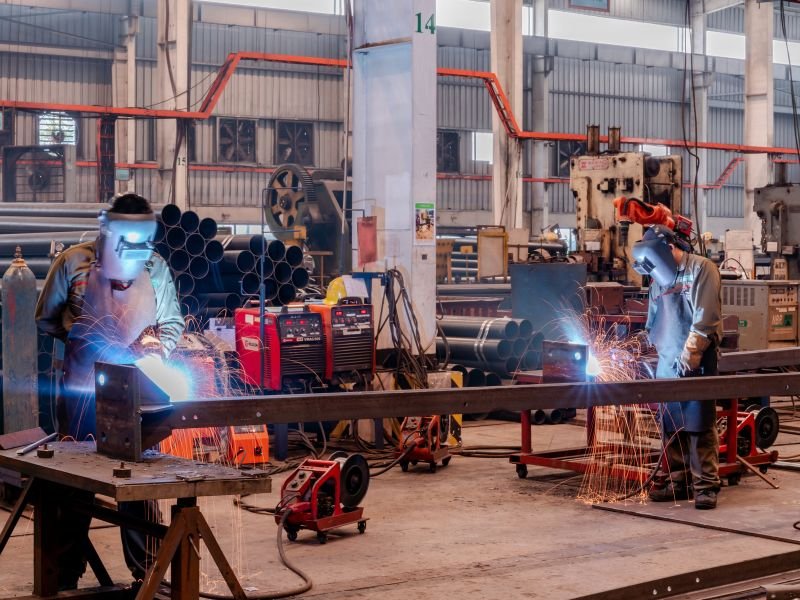
Engineering and Manufacturing
The Netherlands is a leader in engineering, particularly in areas like civil engineering, mechanical engineering, and sustainable energy.
-
Key Employers: Companies like Shell, Unilever, and Damen Shipyards offer engineering roles. The country also has a strong renewable energy sector, with opportunities in wind and solar energy.
-
Skills in Demand: Civil engineers, mechanical engineers, and renewable energy specialists.
-
Opportunities for Immigrants: Engineering roles often require technical expertise rather than Dutch language proficiency, making them accessible to international candidates.
Logistics and Transport
Located at the heart of Europe, the Netherlands is a major logistics hub, with the Port of Rotterdam and Schiphol Airport being key economic drivers.
-
Key Roles: Logistics coordinators, supply chain managers, truck drivers, and warehouse workers.
-
Opportunities for Immigrants: The logistics sector often hires non-Dutch speakers, particularly for warehouse and driving roles. However, knowledge of Dutch or German can be an advantage for customer-facing positions.
Creative Industries and Media
Amsterdam and Rotterdam are vibrant hubs for creative industries, including design, advertising, gaming, and film production.
-
Key Roles: Graphic designers, UX/UI designers, content creators, and animators.
-
Opportunities for Immigrants: The creative sector is highly international, with many companies operating in English. Freelance opportunities are also abundant.
Challenges for Immigrants in the Dutch Job Market
While the Netherlands offers numerous opportunities, immigrants may face challenges when seeking employment:
-
Language Barrier: Although English is widely spoken, Dutch proficiency is often required for roles involving local clients or public services. Immigrants can overcome this by enrolling in Dutch language courses, such as those offered by the University of Amsterdam or local community centers.
-
Cultural Differences: The Dutch workplace culture values directness, collaboration, and work-life balance. Immigrants may need to adapt to these norms, such as participating in consensus-driven decision-making or adhering to strict meeting schedules.
-
Discrimination and Bias: Some immigrants, particularly from non-Western backgrounds, may face discrimination in the hiring process. Networking and showcasing relevant skills can help mitigate this.
-
Bureaucracy: Navigating work permits, residence permits, and qualification recognition can be time-consuming. Working with a recognized sponsor or immigration consultant can streamline the process.
Practical Steps to Secure Employment
Immigrants can take several steps to improve their chances of finding a job in the Netherlands:
-
Research the Job Market: Use platforms like LinkedIn, Indeed.nl, Monster, and Stepstone to explore job openings. Websites like Work in NL (workinnl.nl) and UWV (uwv.nl) provide resources specifically for immigrants.
-
Tailor Your CV and Cover Letter: Dutch employers prefer concise CVs (1-2 pages) that highlight relevant experience and skills. Cover letters should be tailored to each job and demonstrate enthusiasm for the role.
-
Learn Dutch: Even basic Dutch language skills can set candidates apart. Free or subsidized language courses are available through municipalities or organizations like VluchtelingenWerk Nederland for refugees.
-
Network: Networking is critical in the Netherlands. Attend job fairs, industry events, and meetups, or join expat communities like InterNations or Meetup groups.
-
Leverage Recruitment Agencies: Agencies like Randstad, Manpower, and Undutchables specialize in placing international candidates in Dutch jobs.
-
Upskill or Reskill: Consider short courses or certifications in high-demand fields like IT, data analysis, or renewable energy. Platforms like Coursera or local institutions like ROC offer relevant programs.
-
Understand Dutch Workplace Culture: Familiarize yourself with Dutch values like punctuality, direct communication, and teamwork to make a positive impression.
Support Systems for Immigrants
The Netherlands offers various support systems to help immigrants integrate into the labor market:
-
Integration Programs: Non-EU immigrants with a residence permit may be required to complete civic integration (inburgering), which includes language and labor market orientation courses.
-
Expat Centers: Cities like Amsterdam, The Hague, and Rotterdam have expat centers that provide guidance on employment, housing, and legal matters.
-
Refugee Support Organizations: Organizations like VluchtelingenWerk Nederland and Refugee Talent Hub assist refugees with job placement and training.
-
Government Resources: The UWV (Employee Insurance Agency) offers job search support, including workshops and career counseling.
Future Trends in the Dutch Job Market
Looking ahead, several trends are shaping job opportunities for immigrants in the Netherlands:
-
Sustainability and Green Jobs: The Netherlands aims to be a leader in sustainability, creating demand for roles in renewable energy, circular economy, and environmental engineering.
-
Digital Transformation: The rise of AI, automation, and digitalization is increasing demand for tech professionals, particularly in data science and cybersecurity.
-
Aging Population: The healthcare sector will continue to grow, offering opportunities for both skilled and unskilled workers.
-
Remote Work: The shift toward hybrid and remote work models is making it easier for immigrants to compete for roles without relocating immediately.
Conclusion
The Netherlands presents a wealth of job opportunities for immigrants, driven by its strong economy, diverse industries, and welcoming attitude toward international talent. While challenges like language barriers and bureaucratic processes exist, proactive steps such as learning Dutch, networking, and leveraging support systems can significantly enhance employment prospects. By understanding the legal framework, targeting high-demand sectors, and adapting to Dutch workplace culture, immigrants can build rewarding careers in this vibrant European nation.
Whether you’re a highly skilled professional, a seasonal worker, or a refugee starting anew, the Netherlands offers a pathway to meaningful employment and a high quality of life. With persistence and preparation, immigrants can thrive in the Dutch job market and contribute to the country’s dynamic, multicultural workforce.


 Dan
Dan